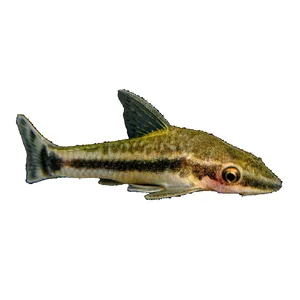
Otocinclus macrospilus Catfish (Otocinclus macrospilus).
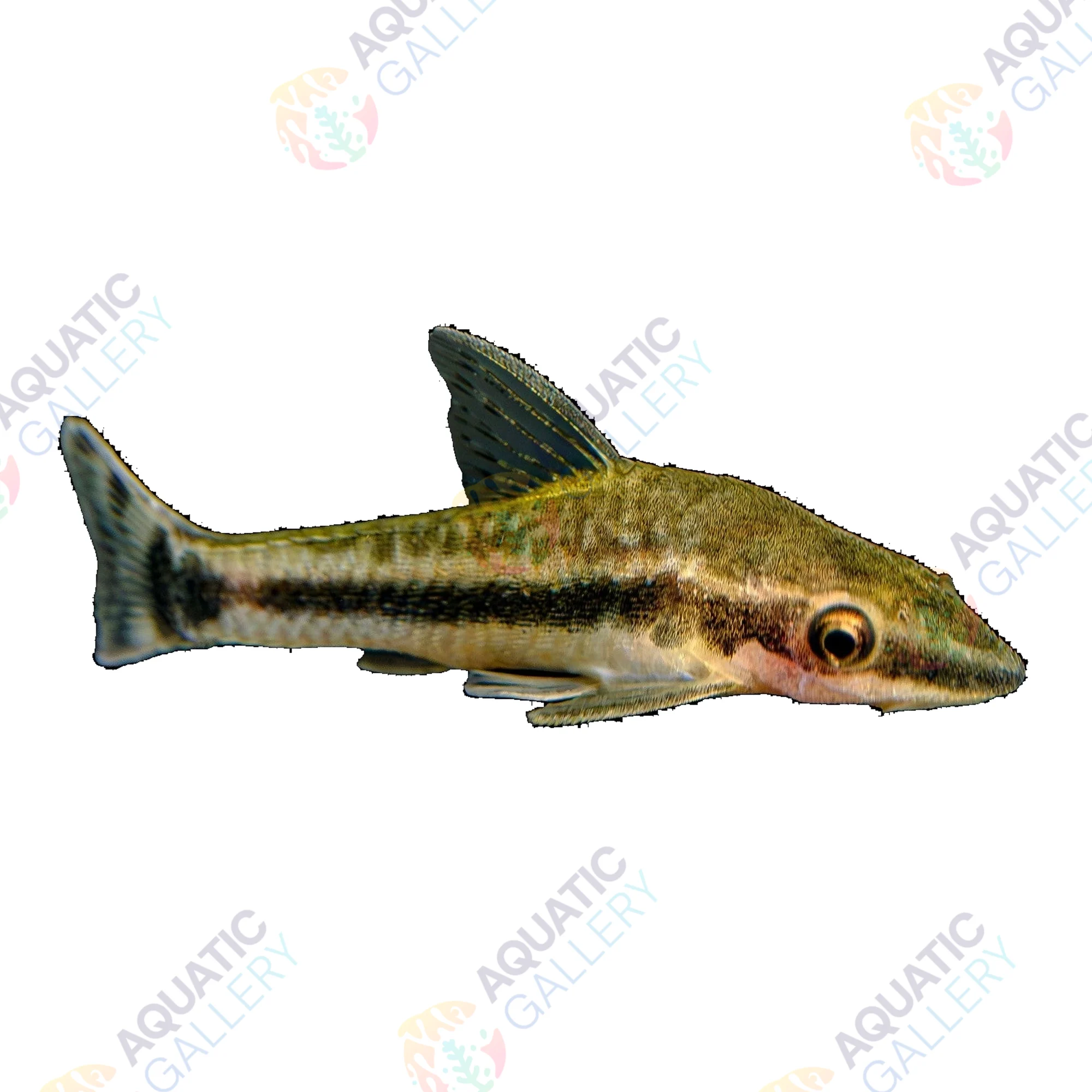
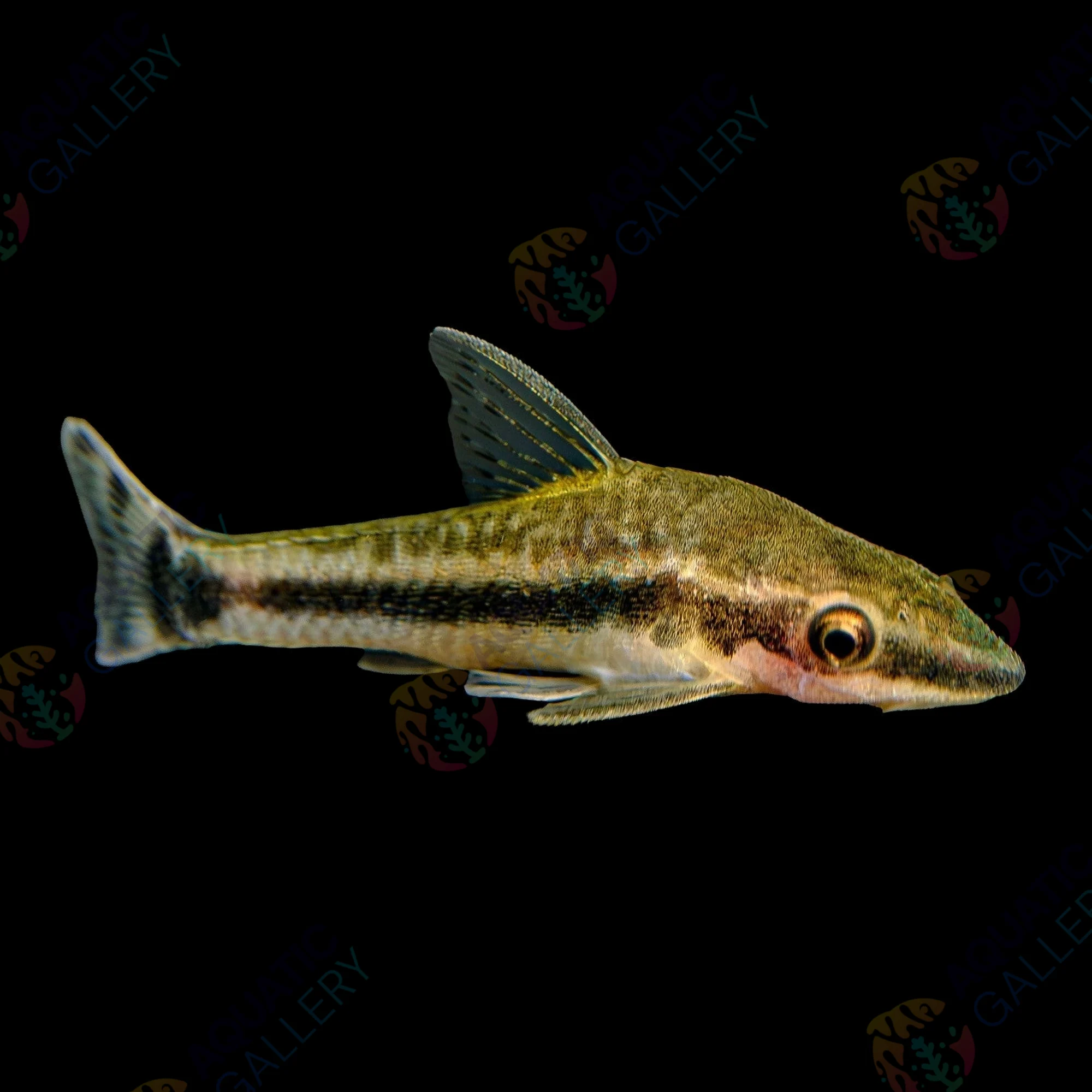
Otocinclus Catfish
$4.95
Store Pickup in Richmond
Order by 7pm for same-day consideration. Pay online and wait for confirmation before arriving. Paid orders are held for seven days.
Otocinclus macrospilus Catfish (Otocinclus macrospilus).
| Scientific Name | Otocinclus macrospilus |
|---|
Also Known As
- Other Names
Overview
- Quarantine Method Summary
- Use a cycled, bare-bottom or lightly furnished quarantine aquarium with gentle aeration, stable warm soft water, abundant edible surfaces or preconditioned wood, and subdued lighting. Observe and feed before medicating; avoid routine copper and harsh treatments.
- Disease Sensitivity
- High, especially during transport and acclimation; vulnerable to starvation, bacterial disease, ich, and stress-related losses.
- Medication Sensitivity
- High; scaleless catfish can react poorly to copper, formalin, salt, and overdosing. Use species-appropriate reduced doses only when indicated and maintain strong aeration.
- Short Description
- A small, peaceful, social South American algae-grazing catfish that requires a mature aquarium, abundant biofilm, excellent oxygenation, and careful acclimation.
- Care Overview
- Keep a group in a mature, stable, planted freshwater aquarium with gentle circulation, clean oxygen-rich water, and plentiful grazing surfaces. Supplement natural grazing with prepared herbivore foods and vegetables. Avoid newly established tanks, aggressive tankmates, and prolonged fasting.
- Compatibility Notes
- Peaceful community fish compatible with similarly peaceful small tetras, rasboras, livebearers, dwarf cichlids, and most ornamental shrimp and snails. Avoid large cichlids, predatory fish, boisterous feeders, fin nippers, and species that outcompete them for food. They may be harassed or eaten by opportunistic tankmates.
- Aquascape Notes
- Use live plants, broad leaves, smooth wood, rounded stones, shaded areas, and mature surfaces for grazing. Leave open access to glass, leaves, and wood; avoid sharp décor and excessive bare sterile surfaces.
- Special Requirements
- Mature aquarium with established biofilm, stable parameters, high dissolved oxygen, gentle flow, secure cover, and reliable supplemental feeding. Keep in a social group rather than singly.
- Quarantine Notes
- Quarantine is strongly recommended because newly imported Otocinclus are frequently stressed, starved, parasitized, or carrying bacterial infections. Prioritize warmth, oxygenation, nutrition, and observation. Treat only a confirmed or strongly suspected condition, and remove uneaten food promptly.
Identity & Taxonomy
- Scientific Name
- Otocinclus macrospilus
- Genus
- Otocinclus
- Species
- macrospilus
- Authority Name
- Eigenmann & Allen
- Authority Year
- 1942
- Primary Common Name
- Big-spot Otocinclus
- Native Region
- Peru, Colombia, and western Amazon Basin
- Native Habitat
- Shallow, slow to moderately flowing forest streams and flooded-forest margins with dense aquatic vegetation, smooth surfaces, leaf litter, and abundant aufwuchs.
- Organism Type
- Fish
Care & Behavior
- Adult Size
- 1.5 – 2 in (3.8 – 5.1 cm)
- Lifespan
- 3 – 5 years
- Minimum Tank Size
- 20 gal (75.7 L)
- Feeding Frequency
- Feed small portions daily; offer supplemental food at least once daily and monitor body condition.
- Special Diet Notes
- Primarily grazes aufwuchs, algae, and biofilm but often arrives nutritionally depleted. Provide mature biofilm-covered surfaces plus sinking herbivore wafers, blanched vegetables, and algae-based foods. Do not rely on nuisance algae alone.
- Schooling Required
- Yes
- School Min Group
- 6
- Temperament
- Peaceful
- Activity Level
- Moderate
Water & Environment
- Temperature
- 72 – 81 °F (22 – 27 °C)
- pH
- 6 – 7.5
- GH
- 2 – 12
- KH
- 1 – 8
- Flow Level
- low to moderate
- Lighting Level
- low to moderate
- Nitrate Max
- 20
- Phosphate Max
- 1
- Water Type
- freshwater
Compatibility & Breeding
- Sexual Dimorphism
- Females are generally broader-bodied, especially when viewed from above; males are usually smaller and slimmer. Reliable sexing is difficult in juveniles.
- Plant Safe
- ✓
- Invertebrate Safe
- ✓
- Shrimp Safe
- ✓
- Snail Safe
- ✓
- Jump Risk
- ✓
- Escape Risk
- ✓
- Wild Caught Common
- ✓
- Egg Layer
- ✓
- Breeding Difficulty
- Moderate
Quarantine
- Recommended Duration
- 21 – 30 days
- Quarantine Required
- Yes
- Observation Only
- Yes
- Prophylactic Treatment
- No
- Copper Safe
- No
- Formalin Safe
- No
- Praziquantel Safe
- Yes
- Methylene Blue Safe
- Yes
- Hyposalinity Safe
- No
- Freshwater Dip Safe
- No
- Dip Protocol Summary
- Avoid routine dips. A freshwater dip is not recommended as a standard procedure because of high stress and uncertain tolerance; use only under experienced veterinary or aquaculture guidance with matched temperature and pH.
- Medication Notes
- Do not use copper routinely; treat as copper-intolerant unless a veterinarian or product label specifically supports use. Formalin and salt-based treatments are also poor first choices. Praziquantel is generally the preferred targeted option for suspected flukes or susceptible internal worms, using the product label and careful observation. Methylene blue may be useful for selected external fungal or egg-related problems but can impair biological filtration and should be used in a separate treatment vessel. Never combine medications without compatibility confirmation.
- Isolation Requirements
- Use a cycled, covered aquarium with sponge filtration, heater, thermometer, strong but gentle aeration, subdued light, hiding places, and smooth grazing surfaces. Keep nets, siphons, and equipment dedicated to quarantine. Test ammonia and nitrite daily during treatment or feeding recovery.
- Food Training Needed
- Yes
- Acclimation Notes
- Match temperature gradually, then acclimate to pH and hardness without prolonged exposure to shipping water. Transfer fish with a net or container rather than adding transport water. Dim lights, provide immediate cover, and offer mature biofilm, algae wafers, and soft vegetables as soon as fish settle. Avoid prolonged drip acclimation when shipping water is heavily polluted.
- Common Qt Issues
- Starvation, failure to recognize prepared foods, ammonia or nitrite exposure, oxygen depletion, shipping-related bacterial infections, ich, skin damage, and medication toxicity. Newly imported fish may appear thin and may die despite apparently acceptable water if nutrition is not restored.
- Best Practice Summary
- Quarantine every shipment for approximately 3–4 weeks in stable, highly oxygenated freshwater. First restore feeding and body condition with biofilm and supplemental herbivore foods. Monitor feces, respiration, skin, and appetite. Use targeted, conservative treatment only for a defined problem; avoid copper, routine salt, harsh dips, and unnecessary multi-drug protocols. Move fish only after they are eating reliably, maintaining weight, and showing no disease signs.
Common Names
- Big-spot Otocinclus
- Otocinclus Catfish
- Dwarf Suckermouth Catfish
Related products
-
“Prehistoric” Dragon Fish
Price range: $19.95 through $49.95 -
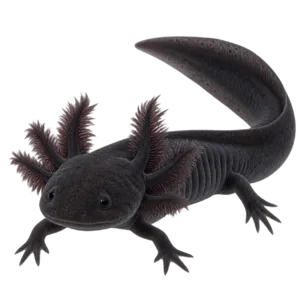
Black Melanoid Axolotl (Non-WYSIWYG)
$99.95 -
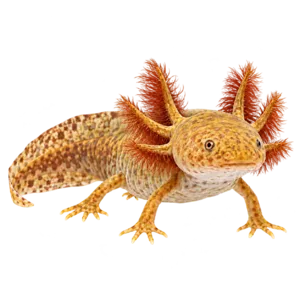
Copper Axolotl (Non-WYSIWYG)
$124.95 -
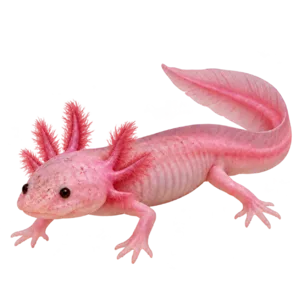
Leucistic Axolotl (Non-WYSIWYG)
Price range: $124.95 through $144.95 -
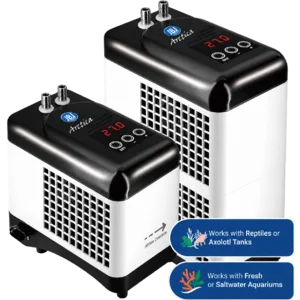
Nano Arctica E-Chiller
Price range: $324.95 through $449.95